How Liquidity Affects the Forex Market
What is Take Profit and Stop Loss
Understanding brokers, liquidity, and volatility in Forex
Bifu Forex Trading Beginner’s Guide
Understanding Pips in Forex Trading
What is Currency Pair?
What is a Candlestick?
What is Forex Trading?
Differences Between Major, Minor, and Exotic Pairs
Understanding Forex Leverage and Margin
What is Leverage and Margin?
Understanding Pips in Forex Trading
08/09/202509:44:36
When you’re diving into forex trading, you’ll often come across the term "pips." But what exactly is a pip, and why is it so important? In this post, we’ll break down what pips are, how they work, and why understanding them is essential for every forex trader.
What is a Pip?
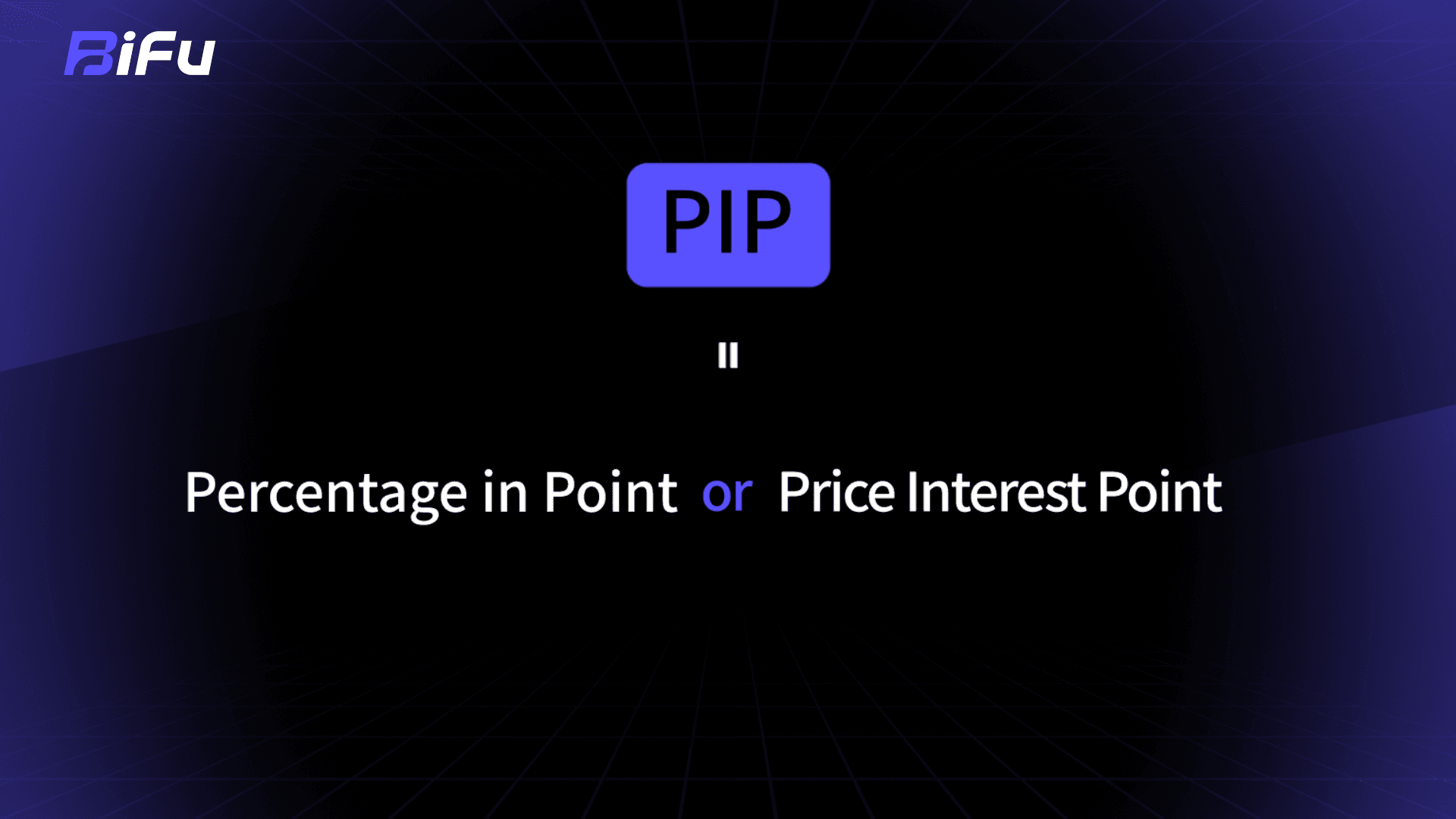
In forex trading, a pip stands for “percentage in point” or “price interest point.” It’s the smallest unit of price movement for a currency pair, as defined by market convention. In most cases, forex pairs are quoted to four decimal places, and the fourth decimal place represents a pip.
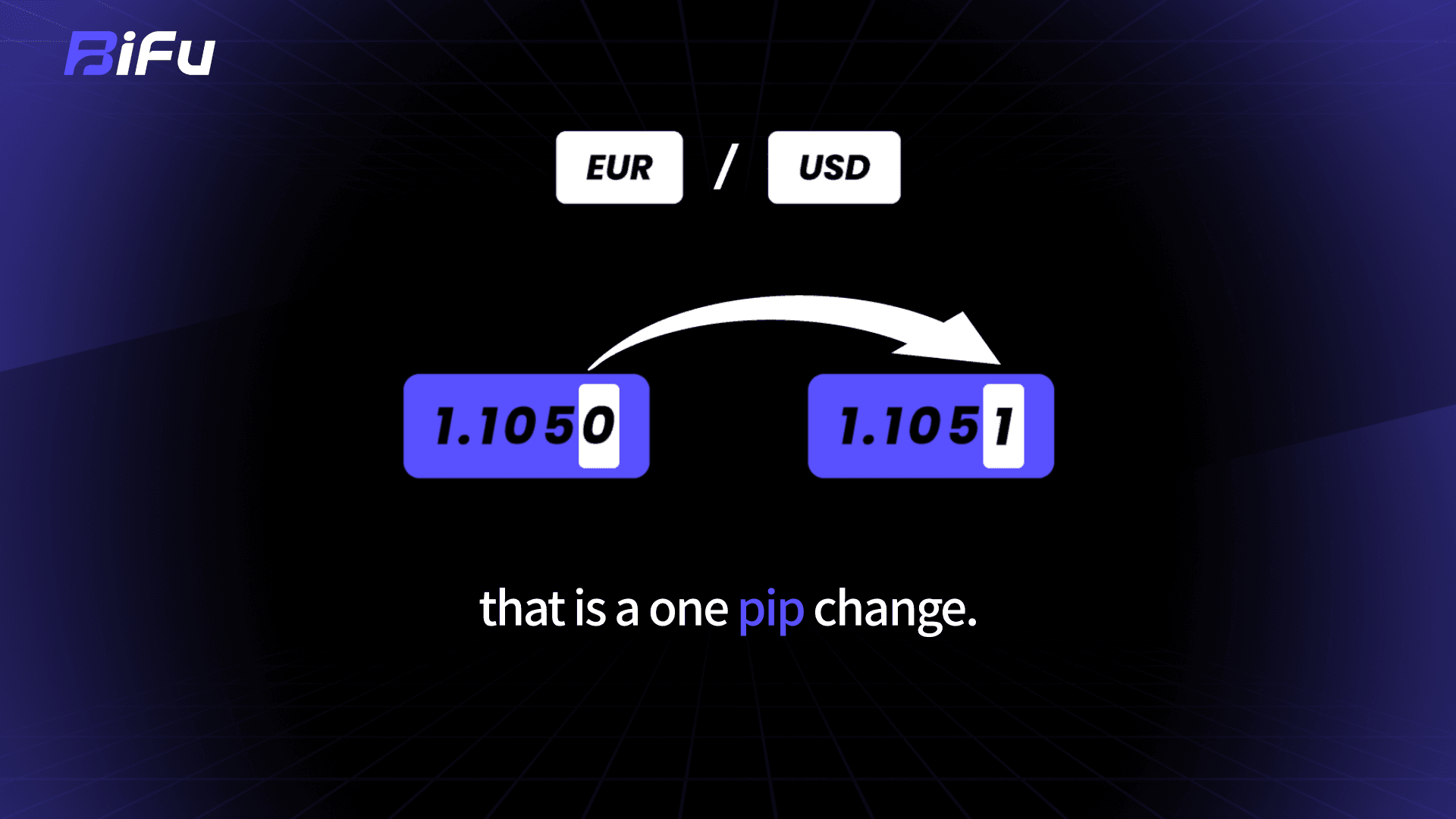
For example, if the EUR/USD currency pair moves from 1.1050 to 1.1051, that’s a one pip change. In simple terms, a pip helps you track small changes in the exchange rate, which is critical in a market where even the smallest price fluctuations can make a big difference.
Exceptions for Yen Pairs
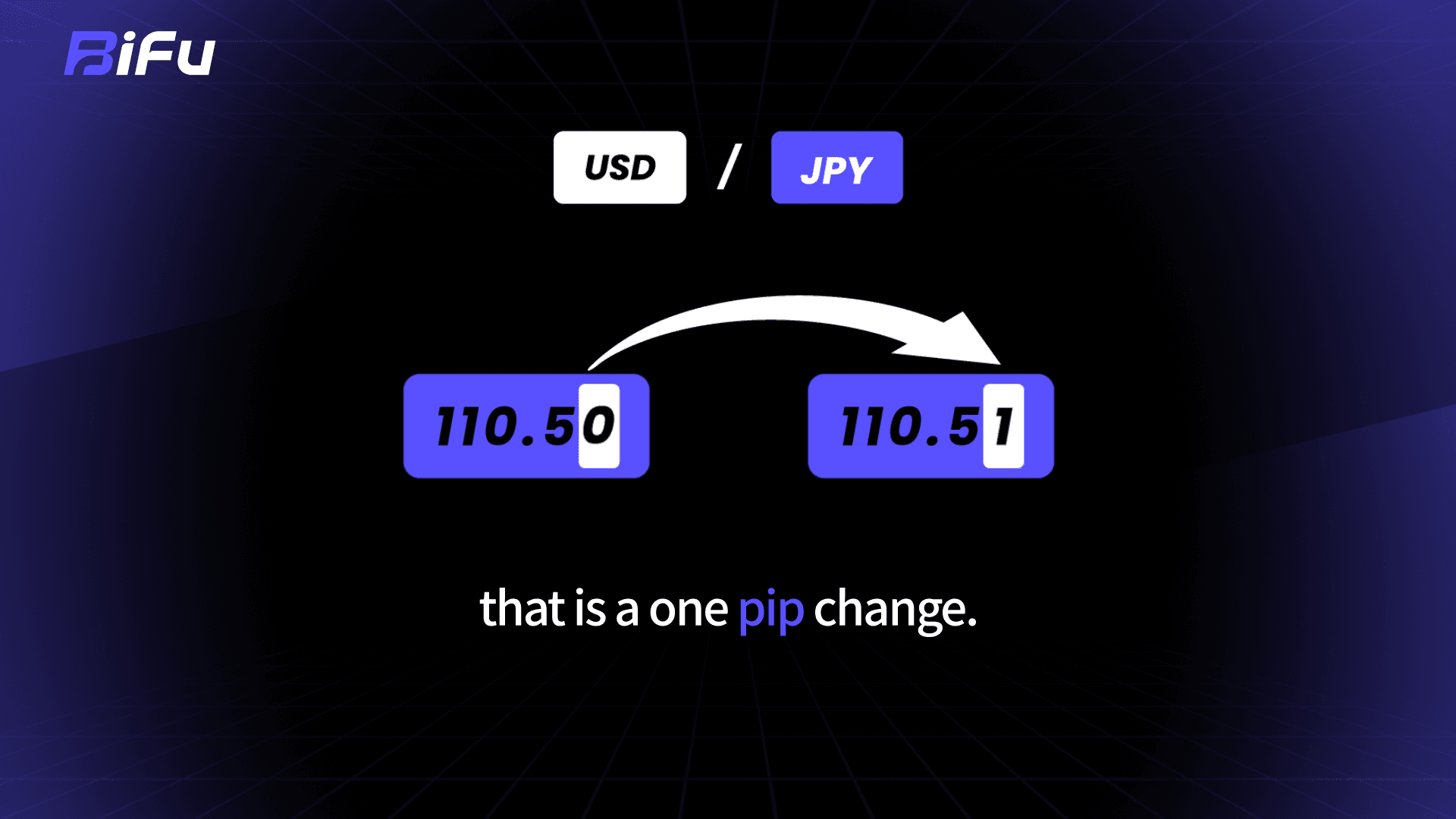
Most currency pairs follow the four decimal place rule, but pairs that include the Japanese yen (JPY) are an exception. Yen pairs are quoted to two decimal places, so a pip in these pairs represents the second decimal place. For instance, if USD/JPY moves from 110.50 to 110.51, that’s a one pip change.
How to Calculate Pip Value
Understanding the value of a pip is crucial for determining how much a trade’s movement can impact your profit or loss. The pip value can vary based on the currency pair and the size of your trade.
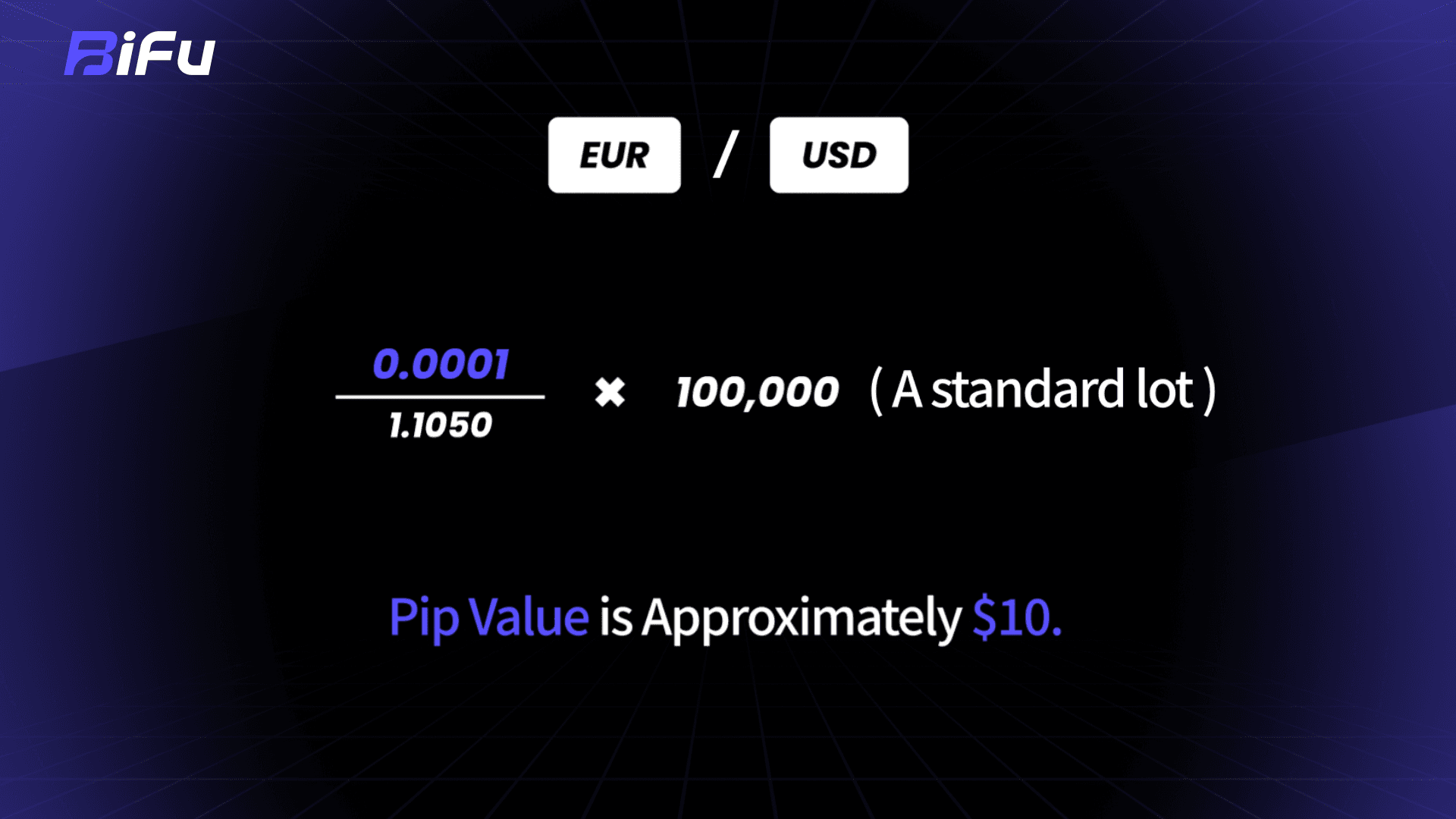
For most currency pairs, one pip equals 0.0001 of the quote currency. To calculate the pip value, you can use this formula:
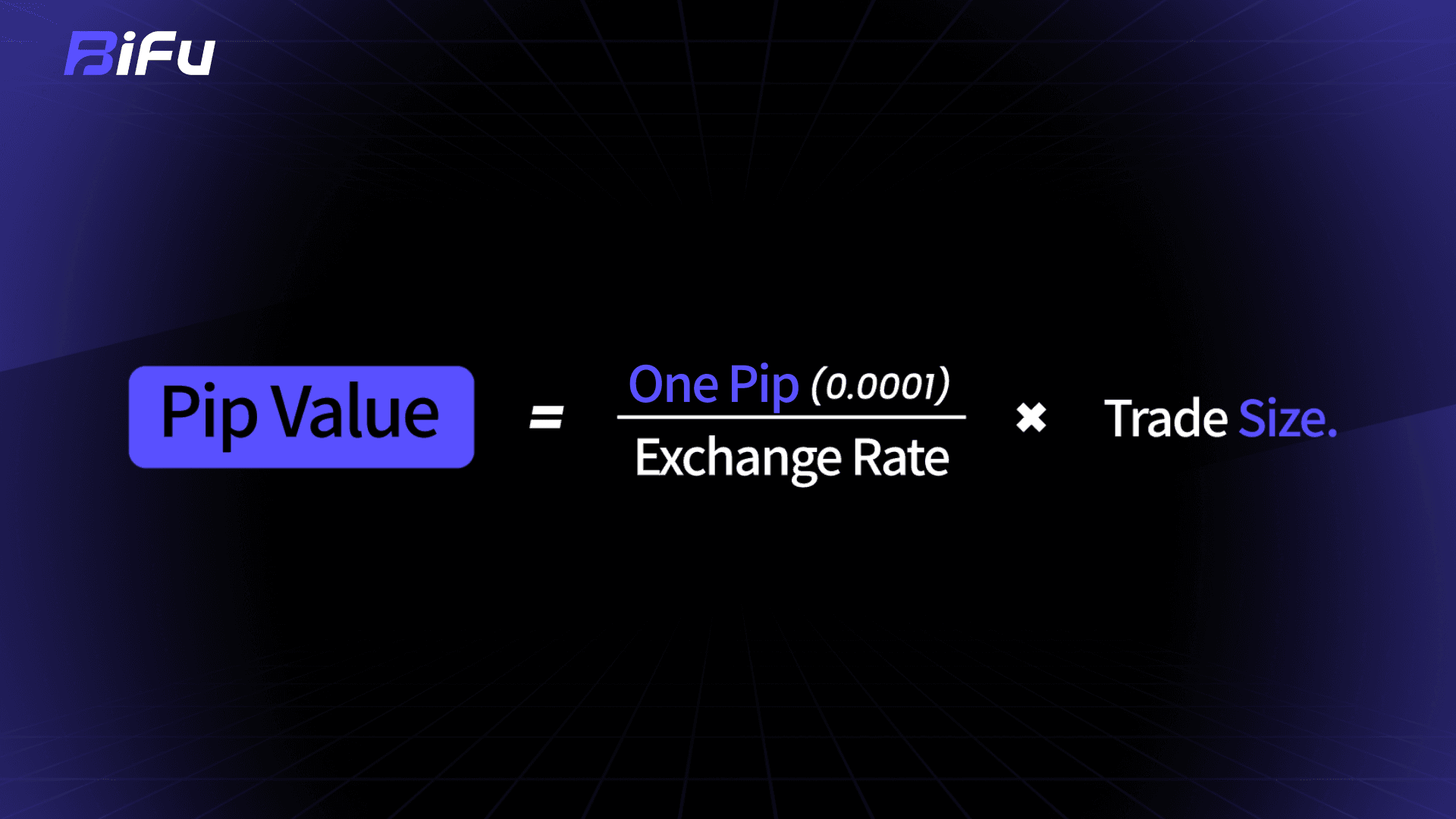
Let’s take an example. If you’re trading a standard lot (100,000 units) of the EUR/USD pair with an exchange rate of 1.1050, the value of one pip is roughly $10. That means for every one pip movement, you gain or lose $10, depending on the direction of the trade.
Example of Profit and Loss with Pips
Let’s break this down further with a real-life example of a trade. Imagine you buy the EUR/USD pair at 1.1050, and later you sell it at 1.1070. The difference between the two prices is 20 pips. If you’re trading a standard lot, a 20 pip movement would result in a $200 profit ($10 per pip × 20 pips).
This is why mastering pips is vital in forex trading. A strong understanding of how pips work allows you to accurately measure and plan for potential profit or loss.
Why Pips Matter in Forex Trading
Pips are the building blocks of forex trading. They allow traders to measure the smallest price movements and calculate profits and losses. Without understanding pips, it’s difficult to grasp the potential risk or reward in a trade.
By knowing how to calculate the pip value and understanding how pips impact your trades, you can make more informed decisions and better manage your trading strategy.
Conclusion: Mastering Pips for Successful Forex Trading
To sum up, a pip might seem like a small unit of measurement, but it plays a massive role in forex trading. From calculating potential profits and losses to understanding market fluctuations, mastering pips is a critical step towards becoming a successful trader.
If you’re looking to enhance your forex trading skills, start by learning about pips and how they affect your trades. The more you understand about these small but significant price movements, the better equipped you’ll be to make informed decisions.
Official Social Media
Disclaimer
Bifu always values compliant operations and strictly adheres to the laws and regulations required by local regulatory authorities. The content of this article is for general information and educational purposes only and does not constitute any form of advice, recommendation, or guarantee. Please ensure that you understand and comply with the relevant laws and regulations of your country or region before using this platform.
Before investing, please assess your own risk tolerance and seek professional advice if necessary. You are fully responsible for your investment decisions, and Bifu does not assume responsibility for any losses arising therefrom.