Understanding Drawdown in Trading and Its Impact
02/05/202502:26:20
Drawdown in trading shows how much your account drops before recovering. It is important for understanding risk and planning strategies. For example, a 20% drop needs a 25% gain to recover. This shows how drawdowns affect your account's growth. History proves this point. Between 1950 and 2017, the S&P 500 had nine bear markets. The average drop during these was –35.83%. Knowing about drawdowns helps you manage risk better. It keeps your trading steady and long-lasting.
What Is Drawdown in Trading?
Definition and Importance of Drawdown
Drawdown means how much your account drops from its highest point to its lowest point during a certain time. It is very important for checking risk and understanding how much an investment or account can change in value. For example, if your account grows from $10,000 to $50,000 but then falls to $7,500, the drawdown is:
(7500 - 50000) / 50000 = -85%
This number shows how big the loss is before it starts to recover. Looking at drawdowns helps you see how an investment has done in the past and decide if it matches your comfort with risk.
Key things to know about drawdown:
It shows how much an asset or fund's price drops from its highest to lowest point in a set time.
It helps you understand how much an asset's price changes over time.
Maximum drawdown is the biggest drop from a high to a low before reaching a new high, shown as a percentage.
Knowing about drawdowns is important for handling risk. It helps you get ready for losses and set fair goals for your trading.
Drawdown in Forex Trading
In Forex trading, drawdowns happen when your account loses money after several bad trades. Managing drawdowns well is key to keeping your money safe and trading for a long time.
Big drawdowns can drain your account, making it hard to recover. But if you set limits that are too strict, you might miss good chances to make money. Finding the right balance is very important.
Things to remember about drawdowns in Forex trading:
Drawdowns are normal but can cause big money losses if not handled.
Using tools like stop-loss orders can help protect your money.
To succeed in Forex trading, you need to manage drawdowns carefully.
By keeping drawdowns small, you can trade steadily and for a long time.
Common Misconceptions About Drawdown
Many traders get confused about drawdowns, which can lead to bad choices. Here are some wrong ideas:
Drawdowns only matter for large accounts: This is not true. Drawdowns affect all accounts, big or small. Even small accounts can have problems if drawdowns are not controlled.
A high drawdown means a strategy is bad: Not always. Some strategies take bigger risks but can also bring bigger rewards. The important thing is to make sure the drawdown fits your risk level and goals.
Drawdowns are always negative: While drawdowns show losses, they also give useful information about how your trading plan works and how much it changes.
Understanding these wrong ideas can help you think better about drawdowns. Instead of being scared of them, you can use them to improve your trading and make better plans.
Types of Drawdowns and How to Calculate Them
Absolute Drawdown
Absolute drawdown shows how much money you lost from your starting amount. It is the difference between your first deposit and the lowest balance your account reached. This helps you see how much of your starting money was at risk. For example, if you started with $10,000 and your account dropped to $8,000, the absolute drawdown would be $2,000.
This type of drawdown is important for checking if your trading plan protects your starting money. It shows if your strategy keeps your initial investment safe. In professional trading, absolute drawdown is often used to check financial health.
Maximum Drawdown
Maximum drawdown is the biggest drop in your account’s value over time. It is shown as a percentage and helps you understand the worst loss you could face. To find this, measure the highest and lowest points in your account’s performance.
For example, if your account reached a high of 47.54% and then fell to 20%, the maximum drawdown would show this drop. This measure is key for understanding risks and seeing how much your strategy could lose.
Relative Drawdown
Relative drawdown measures the percentage drop from your account’s highest value to its lowest. Unlike absolute drawdown, it looks at the highest point your account reached, making it a flexible way to measure risk. This is helpful for checking your risk level and how well your strategy works.
For instance, if your account peaked at $50,000 and then dropped to $40,000, the relative drawdown would be 20%. This type of drawdown is very important in professional trading, where following strict risk rules is necessary.
By studying absolute, maximum, and relative drawdowns, you can better understand trading risks. These measures show how your account performs during losses, helping you make smarter choices.
Drawdown Calculation Methods
Knowing how to calculate drawdown is key to checking your trading and managing risks. There are different ways to calculate it, and each gives helpful details about your trading plan. Let’s break them down.
Absolute Drawdown Calculation
To find absolute drawdown, subtract the lowest balance from your starting deposit. For example, if you began with $10,000 and your account dropped to $8,000, the absolute drawdown would be $2,000. This shows how much of your starting money was at risk.Maximum Drawdown Calculation
Maximum drawdown is the biggest percentage drop in your account’s value. Use this formula:Maximum Drawdown = (Peak Value - Lowest Value) / Peak Value * 100For example, if your account reached $50,000 but fell to $40,000, the maximum drawdown would be 20%. This helps you see the worst loss your strategy might face.
Relative Drawdown Calculation
Relative drawdown measures the percentage drop from the highest account value. It’s useful for comparing how different trading plans perform over time.
Tip: Use tools like trading apps or spreadsheets to make these calculations easier and track your progress.
Practical Example of Drawdown Measurement
To measure drawdown, follow these steps:
Fill your trading account with data to test it fully.
Track how long it takes for recovery after losses.
Use tools like charts or gauges to measure drawdown.
Divide the starting value by the recovery time to find the rate.
Just like soil absorbs water differently, trading results can vary a lot. Studies show that changes in performance are common, so it’s important to include this in your drawdown checks.
Visualizing Drawdown Data
Here’s a table showing how drawdown calculations can change based on different factors:
For a clearer view, check out this chart:
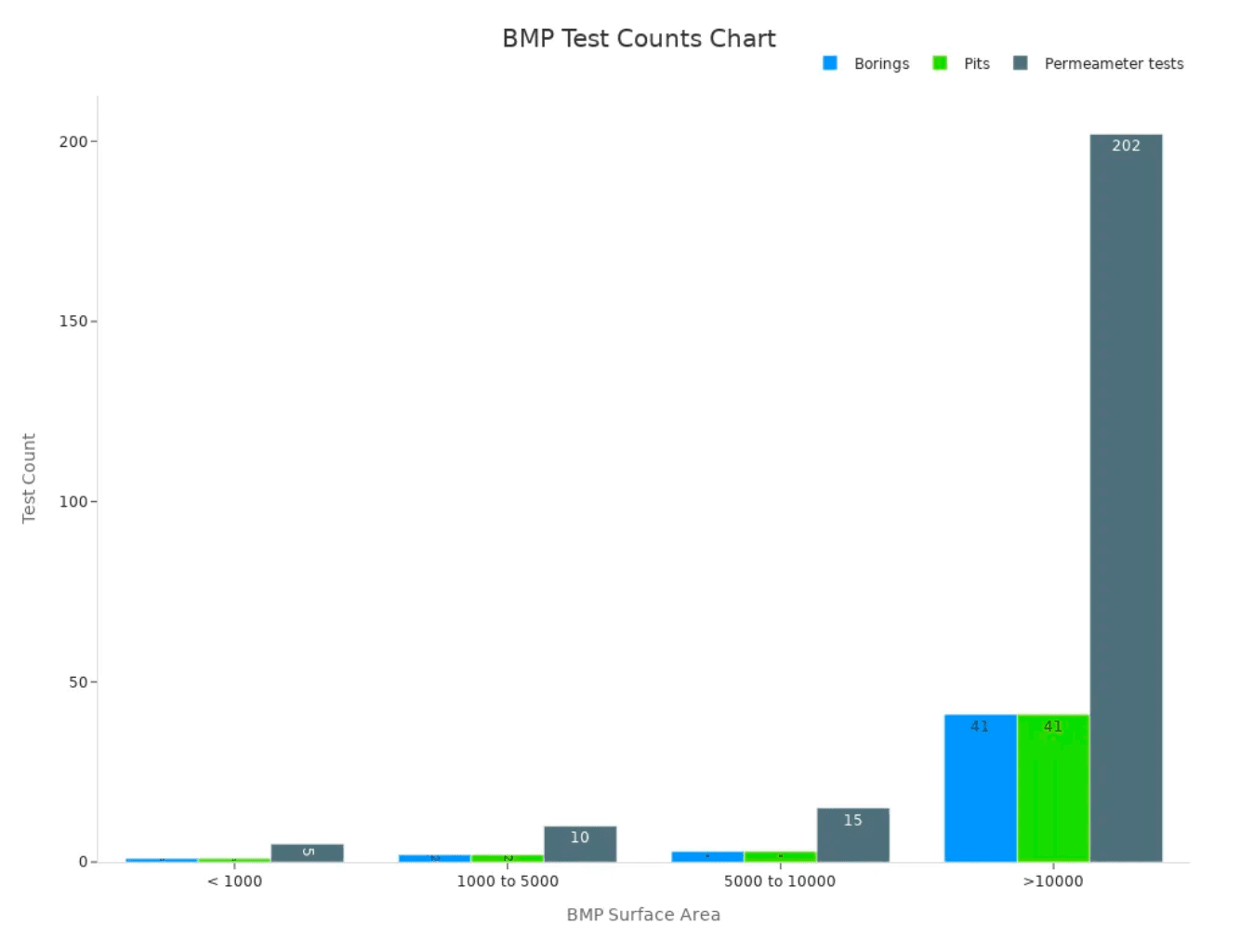
By learning these drawdown methods, you can better handle risks and improve your trading for long-term success.
Risks Linked to Drawdowns
How Drawdowns Affect Trading Plans
Drawdowns can show problems in your trading plan. When your account drops, it reveals how well your plan handles tough markets. Looking at the highest point, lowest point, and recovery time of a drawdown helps you find areas to fix. If your plan takes too long to recover, you might need to change it to lower risks.
Maximum drawdown shows the biggest loss you could face. It helps you understand the worst-case scenario for your trading plan. Watching drawdown levels lets you adjust your plan to match your risk comfort and improve results. This way, your plan stays strong even when markets are unstable.
Emotional Challenges from Drawdowns
Drawdowns don’t just hurt your money; they also test your emotions. Seeing your account drop can make you feel scared, upset, or even panicked. These feelings might lead to bad choices, like quitting your plan or taking big risks to recover losses.
To stay calm, you need good risk rules. Setting limits like stop-loss orders or smaller trade sizes can keep you focused. Trading is about controlling your emotions as much as your money. Staying calm helps you handle drawdowns without hurting your long-term goals.
How Drawdowns Affect Your Portfolio
Drawdowns can slow down your portfolio’s growth. Big drops take a long time to recover, delaying your financial goals. For example, if your account falls by 50%, you’ll need a 100% gain to get back to where you started. This shows why keeping drawdowns small is important to protect your money.
Looking at past drawdowns helps you see how trading plans work during bad markets. By studying these, you can prepare for future problems and use risk tools to protect your portfolio. Spreading out your investments and checking your plan often can lower drawdown effects and keep your growth steady.
Tip: Keep an eye on drawdown levels to spot patterns and make smart choices to strengthen your portfolio.
Strategies to Handle and Reduce Drawdowns
Setting Risk Limits
Setting risk limits helps control losses in trading. It means deciding how much money you’re okay losing in a trade or over time. For example, many traders follow the 1% rule. This means they risk only 1% of their account on one trade. Even if they lose several trades, their account stays safe.
To set risk limits:
Know your risk tolerance: Think about how much loss you can handle.
Set daily or weekly loss limits: Stop trading if you hit these limits to avoid bad decisions.
Trade smaller amounts: Lower trade sizes to reduce possible losses.
Clear risk limits act like a safety shield for your trading plan. They help you trade for a long time without big losses.
Using Stop-Loss Orders
Stop-loss orders are tools that close trades automatically at a set price. This stops you from losing too much money. For example, if you buy a stock at $100 and set a stop-loss at $90, the trade will close if the price drops to $90. This saves you from bigger losses.
A study shows stop-loss orders are key for managing risks:
To use stop-loss orders well:
Set smart levels: Don’t place stop-losses too close to your entry price. Small market moves could trigger them.
Match with trade size: Adjust trade sizes based on how far your stop-loss is from the entry price.
Review often: Check and update stop-loss levels as markets change.
Stop-loss orders protect your money and keep you focused on your trading plan. They stop emotions from taking over your decisions.
Tip: If your drawdown is high, tighten your stop-loss levels to control risks better.
Keeping a Positive Risk/Reward Ratio
A good risk/reward ratio means your possible gains are bigger than your possible losses. For example, if you risk $100 to make $300, your ratio is 1:3. This means you only need to win one out of three trades to break even. It’s a smart way to manage drawdowns.
Studies show why a strong risk/reward ratio matters:
To keep a good risk/reward ratio:
Set profit goals: Decide when to exit a trade before starting it.
Don’t chase losses: Stick to your ratio, even after losing trades.
Learn from past trades: Look at old trades to find ways to improve.
By focusing on a strong risk/reward ratio, you can trade steadily. This reduces the effect of drawdowns and helps your portfolio grow.
Diversifying Your Portfolio
Spreading out your investments is a smart way to lower risk. By investing in different types of assets, you can avoid big losses if one market does poorly. Instead of depending on just one type of investment, diversification helps balance losses with gains from other areas.
For example, mixing stocks and bonds in your portfolio can provide both growth and safety. Stocks can grow your money faster but are riskier. Bonds are steadier and can protect your money during tough times. A Vanguard study showed that a mix of stocks and bonds earned 1.5% more each year than only stocks from 1926 to 2019. Morningstar also found that diversified portfolios had 20% smaller losses during the 2008 financial crisis.
Here’s a table showing these findings:
To diversify well, try these tips:
Invest in different asset types: Include stocks, bonds, real estate, and more.
Spread across industries: Don’t put all your money in one sector.
Look at global markets: Invest in both local and international options.
Diversification won’t remove all risks, but it reduces how much market changes affect you. Keeping a diverse portfolio helps you grow steadily while avoiding big losses.
Tip: Check your portfolio often to make sure it stays diverse as markets change.
Regularly Reviewing and Adjusting Strategies
No trading plan works perfectly forever. Markets change, so your plan should too. Checking and updating your strategies helps you stay on track with your goals and adjust to new conditions. Skipping this step can lead to bigger risks and longer losses.
Start by looking at your past trades. Find patterns in what worked and what didn’t. Did some trades always lose money? Were there times when your plan worked really well? Use this to improve your strategy. For example, if one type of investment isn’t doing well, move your money to something safer.
Here’s a checklist to review your strategies:
Check performance: See if your returns match your goals.
Spot problems: Find weak points in your plan.
Lower risks: Avoid high-risk investments if needed.
Use new tools: Try updated software or data to make better choices.
You don’t always need big changes. Small fixes, like adjusting stop-loss levels or rebalancing your portfolio, can make a big difference. Fidelity found that a 60/40 mix of stocks and bonds earned 9.7% yearly over 30 years, beating single-asset portfolios. This shows how balancing risk and reward through small updates can help.
Note: Keep a journal of your changes and their results. This helps you see what works and improve over time.
By reviewing and improving your strategies, you can stay ahead of market changes and avoid unnecessary risks. This active approach keeps losses small and your trading on the right path.
Knowing about drawdown in trading helps you handle risks better. It shows weak spots in your plan and gets you ready for tough markets. Big events like the Dot-Com Bubble and Great Recession prove that large drawdowns can take years to fix. Spreading out your investments, called diversification, helps lower losses. Using methods like the Antimartingale strategy lets you manage risks wisely. Learning these ideas can keep your money safe and help you succeed over time.
Tip: Check your drawdown levels often and improve your plans to stay strong in changing markets.